The Impact of Secondhand Clothing on the Environment: A Greener Choice
Share
The fashion industry is one of the biggest polluters in the world. But did you know that you as a consumer can have a huge impact on the environment through your clothing choices? Second-hand clothing buying is not only good for your wallet, but also for our planet. In this blog we delve deeper into the environmental benefits of secondhand clothing and why it is becoming an increasingly popular choice for environmentally conscious men.
Why Secondhand Clothing?
Reducing Waste
The fashion industry produces millions of tons of waste every year. Garments that are not sold often end up in the landfill. By buying second-hand clothing, you give these items a second life and help reduce the amount of textile waste.
Less Resource Consumption
Producing new clothing takes enormous amounts of natural resources. Think of water for growing cotton, energy for production and chemicals for dyeing processes. Buying second-hand clothing means that fewer new items need to be produced, leading to significant savings in water, energy and raw materials.
Reduction of CO2 emissions
The production and transportation of new garments contribute significantly to greenhouse gas emissions. By choosing second-hand clothing, you reduce your ecological footprint and contribute to reducing CO2 emissions.
The Quality of Secondhand Clothing
Sustainability and Craftsmanship
In the past, clothing was often made with more attention and craftsmanship than many modern fast fashion items. This means that second-hand clothing items are often of better quality and last longer. Investing in second-hand is not only an environmentally conscious choice, but also an investment in sustainability.
Unique Style
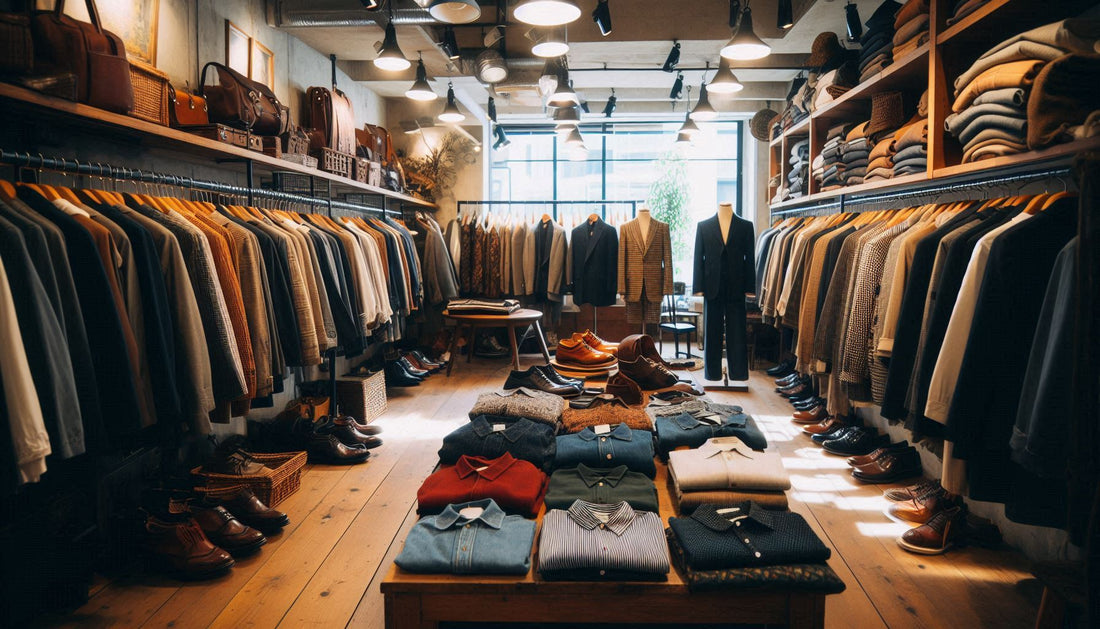
Second-hand stores are treasure troves full of unique pieces that you will not easily find in regular stores. Whether you're looking for a vintage leather jacket, a classic wool cardigan or a statement shirt from the '70s, second-hand stores have it all.
Affordability
Second-hand clothing is often much cheaper than new clothing of comparable quality. This means you can buy stylish and durable clothing for a fraction of the price.
How Secondhand Clothing is Changing the Fashion Industry
Rising Popularity
Second-hand clothing is rapidly gaining popularity, especially among young people. Platforms such as Vinted and Depop make it easier than ever to buy and sell second-hand clothing. This helps to reduce the demand for new clothing and stimulates the circular economy.
Awareness and Education
More and more people are becoming aware of the environmental impact of their clothing choices. Campaigns and documentaries about the fashion industry have helped raise awareness and encouraged people to make more sustainable choices, such as buying second-hand clothing.
Support to Local Economies
Secondhand clothing stores often support local communities and economies. By buying second hand locally, you support small entrepreneurs and contribute to a more sustainable economy.
Surprising fact
Did you know that if every American bought one used item of clothing instead of a new one, it would save enough CO2 to take half a billion cars off the road for a year? This shows how powerful the impact second-hand clothing can have on our planet.
Conclusion
Second-hand clothing is a smart and environmentally friendly choice. By buying second hand you reduce waste, save resources, reduce carbon emissions and support local communities. Bee EcoGents we believe in the power of second-hand fashion. Visit our store in Tilburg or view our extensive collection online in our webshop. Together we can create a greener future, one garment at a time.